
Asian Markets Collapse Amid Middle East Tensions
The Korea Exchange temporarily suspended trading on the Kospi, while a circuit breaker was triggered separately on the Kosdaq, which cratered approximately 13% before trimming losses. By mid-session, the Kospi was still down roughly 8%, with semiconductor heavyweights SK Hynix and Samsung Electronics shedding more than 6% and 9% respectively.
The selloff is particularly painful given last year's stellar performance — the Kospi surged over 75% in the prior year, propelled largely by booming global demand for memory chips. Wednesday's collapse erased a significant portion of those gains in a single session. South Korea's vulnerability runs deeper than equity markets alone: as a manufacturing-driven economy with net oil imports equivalent to roughly 2.7% of its GDP, the country is acutely sensitive to energy price shocks — precisely the pressure now building as Middle East hostilities escalate.
The regional damage was widespread. Japan's Nikkei 225 shed 3.6%, while China's Shanghai Composite fell 1% and its CSI 300 slipped 1.6%. Hong Kong's Hang Seng dropped approximately 2.7%, and Australia's S&P/ASX 200 declined more than 2%.
Adding a layer of complexity to China's market outlook, investors are closely monitoring the country's high-profile annual political gathering — the "Two Sessions" — where top policymakers are expected to set headline economic targets. Chinese Premier Li Qiang is scheduled to present growth objectives and policy priorities when the National People's Congress convenes Thursday.
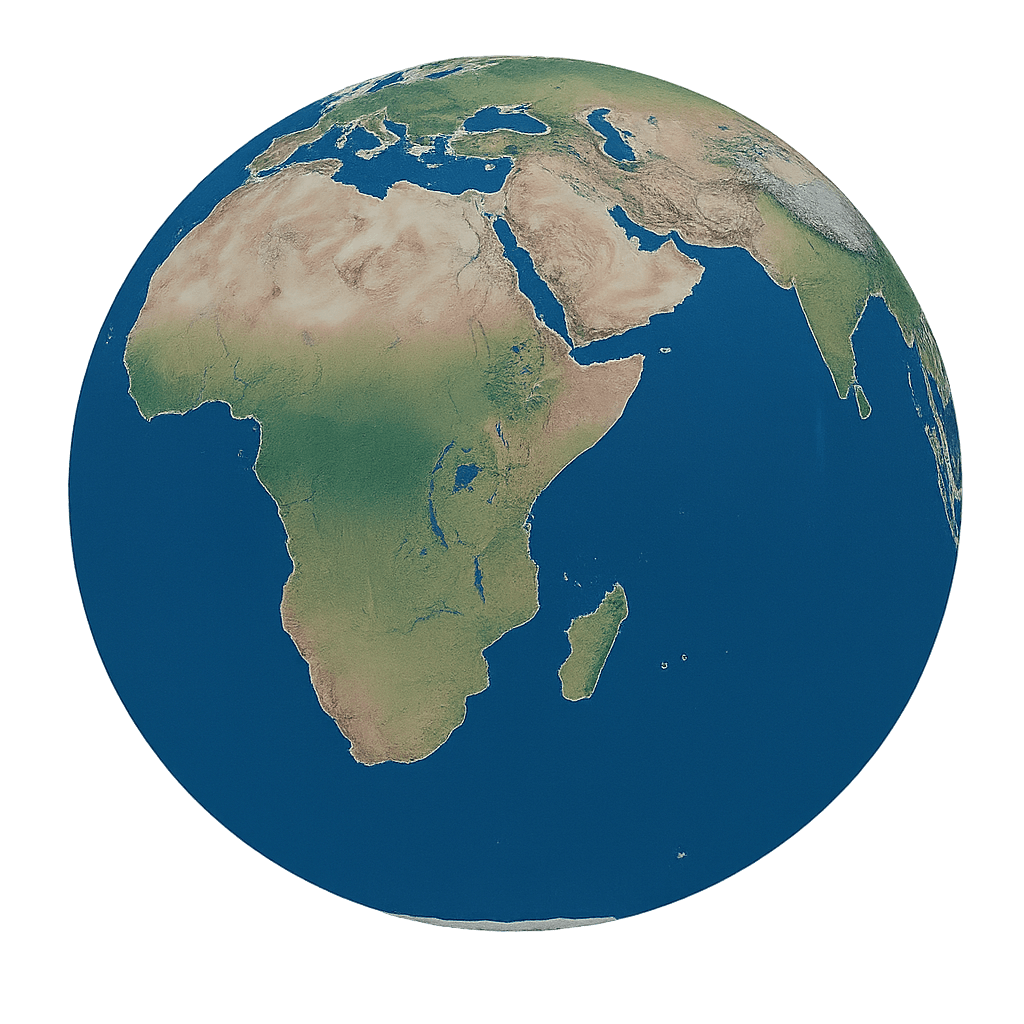
Energy markets reflected the deepening crisis. Brent crude climbed 0.95% to $82.17 per barrel, fueled by alarm over Iran's threat to choke off the Strait of Hormuz — a critical artery through which a significant share of the world's oil supply flows. A senior commander of Iran's Revolutionary Guard declared Monday that the strategic waterway had been closed, warning that any vessel attempting to transit it would be targeted.
The threat drew a direct response from Washington. U.S. President Donald Trump signaled that American naval forces could be deployed to escort tankers through the strait if necessary. In a post on Truth Social, Trump said the U.S. would guarantee global energy flows and emphasized the country's economic and military strength, adding that further actions could follow.
Safe-haven assets surged in tandem. Spot gold jumped 1.64% to $5,170 per ounce, while spot silver rocketed nearly 3% to $84.49 per ounce, as investors scrambled to shield capital from the mounting geopolitical storm.
Legal Disclaimer:
MENAFN provides the
information “as is” without warranty of any kind. We do not accept
any responsibility or liability for the accuracy, content, images,
videos, licenses, completeness, legality, or reliability of the information
contained in this article. If you have any complaints or copyright
issues related to this article, kindly contact the provider above.
Legal Disclaimer:
EIN Presswire provides this news content "as is" without warranty of any kind. We do not accept any responsibility or liability for the accuracy, content, images, videos, licenses, completeness, legality, or reliability of the information contained in this article. If you have any complaints or copyright issues related to this article, kindly contact the author above.
